Wednesday, May 25, 2011

Home Based Learning Assignment

They unloaded the dead and maimed right before our eyes
They washed out the blood, we loaded our ruck’s and then took to the skies
Over the mountains, villages, and valleys we flew
Where we would land we had not a clue
Bullets are flying, the LZ is hot 
We’re leaving this bird whether we like it or not
30 seconds they yelled, Lock N Load and grab your shit 
Get ready to go and make it quick
My heart is pumping adrenalin through all of my veins
I run as fast as I can through the lead rain
The noise is tremendous, terror I can’t define
The only reason I survived that day was divine
I kept pulling the trigger and reloading and pulling some more
You do what you have to do, with that I will say no more
We fought from the valleys to the mountain peaks
From house to cave, to car to creek
Dirty and tired and hungry and scared
We slept with our boots on so we were always prepared
Those majestic mountains so steep, so high they kiss the skies
The Hindu Kush has changed so many lives
Up the mountains with heavy loads we trod
Who knew hell was so close to God
Beauty and terror are a strong mixed drink
So we drank it like drunkards and tried not to think
Good men and bad men, Mothers lost son’s
Everyone loses their innocence when they carry guns
Washed in the blood, and baptized by fire
I will never forget those who were called higher
They say blood is thicker than water, well lead is thicker than blood
Brothers aren’t born they’re earned. In the poppy fields, the tears, and the mud
And when I get to heaven to Saint Peter I will tell
Another Paratrooper reporting for duty sir, I spent my time in hell

Steve Carlsen


This poem was written by Steve Carlsen. He was born and lives in Dowagiac Michigan. He joined the United States Army in October 2000 and went to Infantry Basic Training, and Airborne School in Ft. Benning Georgia. He then reported to D Company 1st battalion 504th Parachute Infantry Regiment, 82nd Airborne Division in Ft. Bragg North Carolina. He was deployed to Kosovo in November 2001 as part of peace keeping operations. He Deployed to Afghanistan in of December 2002 where he participated in combat operations. He was honorably discharged from the Army in 2003. He currently attends Southwestern Michigan College where his professor, Dr Michael Collins challenged him to write about his experiences.


Poetry Analysis:

  • Point of View

 The poem has been extremely dramatic and the Steve has taken a 1st person point of view, having been through that kind of experiences before. The poem has taken a tone of excitement of getting into an intense battle, and the fear of death. The poem thus depicts the trauma that Steven has been through, which is absolutely respectable and inspiring.

Steven states that “They say blood is thicker than water, well lead is thicker than blood”. It actually shows how the bond in the regiment develops as battle together, and as they depend on one another for survival.

Steven also describes the need to kill to ensure your own survival, it forces people to do things that were previously against your morals, which is to kill. The following phrase states it clearly:

“Everyone loses their innocence when they carry guns
Washed in the blood (of the dead), and baptized by (gun)fire”

  • Situation and Setting

The poem starts off with the dead being loaded onto a helicopter. The persona had to sit with the dead bodies, which in a way already induces utmost terror in the heart, creating internal emotional conflict.

The scene next went to the landing zone, where the paratroopers were under attack but still “We’re leaving this bird whether we like it or not”. The usage of “lead rain” tells us that the troops were under constant fire and the lead referred to the bullets whizzing through the air. It was so impossible to get away unscathed, that the writer had to say that “The only reason I survived that day was divine”. The depiction of the battle is so intense that it creates tension in the reader, with the phrase: “My heart is pumping adrenalin through all of my veins”. This shows the horror the writer is going through as “We fought from the valleys to the mountain peaks, From house to cave, to car to creek”.

The irony behind this is that, amidst the war, if you could just observe, the terrain the battle is taking place on is so serene, it looks like paradise, with mountains reaching the skies. Unfortunately it had to be war, turning the once beautiful scenery into hell. Not only that, Steven empathises the fact that he is so close to heaven in this hell, which is the battle thus the phrase:

“Who knew hell was so close to God
Beauty and terror are a strong mixed drink
So we drank it like drunkards and tried not to think”

As well as:

“And when I get to heaven to Saint Peter I will tell
Another Paratrooper reporting for duty sir, I spent my time in hell”

Moreover, the poem ended off with “I spent my time in hell” which tells us how scary it is when going to war.
  • Language/Diction

The poem has been written as a whole verse and as a first-person recount. The rhyming pattern is written in such a way that the ending word of a line rhymes with the next. For example, in the 1st and 2nd lines, there are the words eyes and skies. The word ‘hell’ has been used repeatedly to describe the battle. As mentioned before, there is a repeated use of symbols and metaphors to show the excitement and describe the scene in the poem. The language used would be the language of a soldier’s. For example, there is the word ‘shit’, referring to the necessities needed.

The meaning of this poem is to show how destructive and sensitive war is through the literal description of the experience of a paratrooper in the middle of an offensive. This would explain why men become so timid after coming back from war

The poem has made use of quite a number of symbols to depict the scene during the battle, like “lead rain” for the torrent of bullets, “hell” for the battle, “heaven referring to the skies, the scenery in the background of the war, and the close brush with death. Other usage of symbols will include “washed in the blood and baptized by fire” which shows the gore, the bloodshed and the sheer amount of ammunition used.

  • Personal Response

Till this very day, war is still ongoing, with a good example being Libya. War is a violent way of resolving problems and expanding their influences like how the Vatican and the Romans once did. But even so, wars just destroy people’s lives, and the relationship between the 2 warring states/countries will just worsen.


Though you can sympathise with the poet, you don’t know how it really feels like to be in battle, till you have experienced it yourself. That is the only difference in understanding between a reader who has not been in war, and a reader who had battled before. Since the poem has been set in the current times, we would not have much trouble comprehending the poem. Overall, though, I feel that Steve Carlsen has done an extremely good job in helping us to identify with the scene, with its horrors and madness.  

Saturday, April 23, 2011

Online Lesson (Week 4)

War Photos (Go to 3:39)

(Photo found in 3:39 of the video)

This is a black and white photo of an injured soldier hit by grenade fragments from an ambush during the Cambodian war. They appear to be surrounded by a wooden safety barrier, away from any battle so that his wounds could be attended to. The soldier grits his teeth and is writhing in pain, as if a shell has pierced deep into his flesh, resulting in a severe wound to fester. A bandage has been wrapped tightly around his waist, probably to stem the bleeding. His comrades look anxiously on, seeming very fearful, and at a loss at what to do or say. One of the onlookers hugs the injured soldier and lends a shoulder to prop him up. The atmosphere is tense, in with the pressure of attempting to salvage an injured soldier’s life, as well as a high chance of yet another good friend succumbing to death due to injuries. The lack of colour in the photo shows how old the picture is, and the comrades already look like they are mourning for the death of their platoon member. This photo displays the atrocity and cruelty of war, how merciless the war can be, and innocent people fighting for their lives. When this war is won, while the government gains all the credit, it is the quiet determination of these soldiers to have risked and even lost their lives that allow such victories to take place. It is rather unfortunate that for most soldiers, their efforts tend to go unnoticed and underappreciated. They become yet another civilian in history who was forced to take up arms for the love for his country.   

Saturday, April 9, 2011

Making a Sandwich... (Discoursive Writing)

Background Information:

Bread has been eaten with pieces of bread since a long time ago. However, the ‘sandwich’ became popular as a meal by itself in the 19th century. The word ‘sandwich’ actually refers to cold meat wedged between two slices of bread!

So, what you will be learning in this article is the easy-to-grasp process of making a humble two-piece Peanut Butter and Jam sandwich. Enjoy!

WHAT YOU NEED:
2 slices of bread
Peanut Butter Spread
Jam Spread
Butter/Margarine (Optional)
1 Plate
1 Butter Knife

Instructions:
Step 1:             Lightly butter the two pieces of bread.
(You may skip this part if you do not like the additional taste of butter or margarine)

Step 2:             Take the first piece of bread and evenly spread some peanut butter on it. Place that piece on the plate, the spread part facing up.
(If you have buttered the bread, spread the peanut butter over the butter.)

Step 3:             Do the same to the second bread, but this time with jam
(Thickness of the spread would be your preference)

Step 4:             Put the two pieces of bread together, the sides with the spread facing each other.

Step 5:             Voila! You have made your very own simple sandwich! Congratulations!

Now, while savouring your first piece of “sandwich art”, consider modifying the contents of the sandwich.

What about trying different combinations like: Ham and Cheese, Egg and Cheese, Chocolate and Peanut Butter, Butter and sugar, or even a Beef or Chicken Patty with Cheese and Egg? What about considering using three pieces of bread instead of two?

The possibilities are endless! All you need is just a creative mind.

Take your time to explore the various methods of creating and designing your sandwich. Once you are satisfied with your bread combination, show your “masterpiece” of to your friends! 

Sunday, April 3, 2011

Letter to Mr. Jones (Japanese Earthquake)

Blk 291 Bishan St 24
#05-41
Singapore 570291

21 March 2011
Dear Mr. Jones,

I hope that you are having a great time with your family in
Fukuoka, away from the commotion, the noise, and the hysteria. As much as I wish to sympathise with you and send you condolences, I have not experienced an earthquake before. Moreover, Singapore is away from the Ring of Fire and currently does not experience earthquakes at all
However, there are always ways to comfort you. Maybe you can view the quake in a more positive light. Despite the fact that Japan is facing a nuclear crisis, you were 400 kilometres from the epicentre of the 9.0 magnitude earthquake. At least you did not experience the full brunt of the earthquake and the tsunami thereafter.
 Always remember that whatever the media publishes, they do it for their own interests. In other words, we should never place our 100% trust the media, for they are there, besides the innocent purpose of reporting news, to earn money to sustain the company and ensure that they do not go bankrupt. Thus, the media tend to exaggerate news so that it is attractive enough to make it to the headlines.
You said that “the more the non-existent panic was reported by the Western media, the closer we edged to actually experiencing one”. Why is that so? America is thousands of kilometres away from you, and do not understand the full situation. Have faith in the Japanese government that they will do everything in their power to solve the urgent issue at hand.
 Perhaps you could consider this major incident as a blessing in disguise. At least you were not killed in the quake, and your family remained intact, compared to the pitiful state others are in. I wish you and Japan all the best in facing the coming challenges and crises that lie ahead of you.

Yours Sincerely,
Gregory Tan

Sunday, February 27, 2011

Setting of a story (Your guess)...


Finally! After all these years of hard of hard work, the power to time travel is in my grasp! I stared, awed with the concoction in my right hand, a sense of achievement within me. I tilted my head back and gulped the horrid potion whole. As my mind was in a whirl, I felt the comfort of my research facility leaving me. The next thing I knew, I was standing on hard, coarse sand, once again smelling the cold, crisp Egyptian outdoor air. I basked in the warmth from the sun. In the distance, against the hue of blue and some strange buildings in the distance, were three grand pyramids, partially crumbled, yet majestic. Hey! Wasn’t my buddy Pharaoh Sneferu working on one of them? There was only one thing I knew. I was in the future! 

A 100 Years Ago... (2nd Version)

Before you read this, I would like to say that this story is similar to the 1st draft.

            It was the year 1909 and I was a skinny, undernourished ten year old boy with the typical single long plaid behind my back. There was civil war going on in the country of my birth, China. As the only grandson of my family, it was my responsibility to carry on my family’s surname, Lim. My family had borrowed money for the boat passage for me to Nanyang. They thought I would have a better chance at earning a better life. My father had signed up to work as a coolie in Singapore’s port and I was to go with him.  I puked several times in the crammed boat as the sea was choppy.
            When we arrived in Singapore, we stayed in the Hokkien Huay Kuan clan’s quarters. Since my father only could afford to pay for a bed space, he slept on the floor, leaving the dilapidated rattan bed to me.  The room was filled with many men. It was stuffy, dark and my senses were assualted with the stench of sweat and smoke. There were so many mosquitoes and flies around. It was also scary to go out in the dark to relieve myself.
            At dawn very morning, my father and the men would go to work, leaving me to my devices. That was when I missed my mother the most. I kept playing her last words to me in my mind. She told me to listen to my father, not to get into trouble, to make good use of my life and never to cut my plaid. I would hug my one set of well mended spare clothes tightly. I made friends with the ‘tok tok mee’ man and I would help out at his stall to earn myself a few cents. I got to eat half a bowl of plain noodles too.
            When my father returned at night, I helped him cook porridge with firewood. I always had a bowl of watery porridge with black bean sauce. Sometimes my father would fry me an egg and I was over the moon.  After dinner, I would go to listen to the story teller tell stories. Once in a while, my father visited the letter writer to help him write a letter home and he would send whatever money we could spare.
            My father was introduced to opium and he became addicted. He often borrowed money from the triads and when he could not pay back, he got beaten.  I constantly went to the temple to pray for my family in China and for my father and I desperately hope my ancestors’ gods would answer my prayers.
            One day I saw my father talking to a neatly dressed braidless Chinese man with weird looking clothings and pointing at me. Later that night my father told me he had agreed to let me be that man’s son and I had to change my surname to Tan. I would be able to attend a mission school and I would never be hungry again. I burst into tears and begged my father to let me stay with him but father said it was the best way for me to better my life and when I grew up, I could look for my mother and sister and look after them.
            That night while my father was sleeping together with the cacophony of snores, I gathered my one set of tattered clothings and quietly slipped away into the frightening darkness. I had decided that I would not let my ancestors down by changing my surname into a Tan. As hot tears ran down my cheeks, I told myself I was not going to be disobedient to my mother by cutting my plaid, it was the mark of a proud Chinese man; and what happened if my mother could not recognise me anymore?  I walked and walked along the five foot ways until I was dog tired, passing by many vagrants who made themselves comfortable sleeping on newspapers lined along the five foot way. Soon I melted amongst them covering myself with a large sheet of Nanyang ‘Siang Pau’ I had picked up from the ground.
            And so my days were passed by my wandering around the alleys, rivers and climbing trees. Sometimes I would join in the mindless games of skipping ropes, throwing marbles and hide-and-seek with other children along the five foot ways. Often, their mothers would chase me away after seeing how grubby I was. When my stomach growled, I would take food at the roadside left by worshippers who left food offerings to the earth god. When I felt brave, I would even go to the temples and steal the buns and fruits left at the alters by worshippers, hoping the gods would understand and forgive me. Sometimes I would earn my keep by running errands for the shop keepers. However, often they bullied me and did not pay me for my efforts. The nights were the worst, before I went to my spot to sleep, often I would surreptitiously go and check on my father.  He was also reduced to sleeping outside the clan association. He was unkempt with wispy hair straying out of his plaid. His face was sallow and he was always coughing and spitting out to the ground. I caught him being kicked and beaten by the triad’s men until he lay writhing on the ground. One night he was beaten so hard that blood flowed freely from his nose and mouth, he was beaten with thick logs until he was bruised blue black all over. He lay on the floor limply as if all his bones were completely broken. I was very frightened and wished I could chase the bullies away but I could only watch silently from behind a pillar across the street.  When the bullies had gone, I ran swiftly to my father and held him in my arms. That was when I made a decision – I would go and live with the neatly dressed plaidless man and call him father. I told my father my decision and saw him give me a forlorn smile.
            Hence, that was how I became George Tan Wei Lin. I attended a mission school and learned English. I was always smartly dressed with my hair combed with grease. I spoke to my adopted father in English and my adopted mother and grandmother in Malay. I learned to eat spicy food. My new family treated me well but whenever I could, I would go and look up my birth father who continued to work at the dock. He had managed to kick his addiction, probably his guilt at being a disappointment to his ancestors helped him to do so. As for my birth mother, I may not see her for a long time, and I have started to forget the dialect we used to speak…

Thursday, February 10, 2011

A 100 Years Ago... (Essay)

It was the year 1909 and I was a skinny, undernourished ten year old boy with the typical single long plaid behind my back. There was civil war in the country of my birth, China. As the only grandson of my family, it was my responsibility to carry on my family’s surname, Lim. My family borrowed money for the boat passage for me to Nanyang. They thought I would have a better chance of a better life. My father had signed up to work as a coolie in Singapore’s port and I was to go with him. I puked several times in the crammed boat as the sea was choppy.


When we arrived in Singapore, we stayed in the Hokkien Huay Kuan clan’s quarters. Since my father only could afford to pay for a bed space, he slept on the floor, leaving the dilapidated rattan bed to me. The room was filled with many men. It was stuffy, dark and my senses were assualted with the stench of sweat and smoke. There were so many mosquitoes and flies around. It was also scary to go out in the dark to relieve myself.


At dawn very morning, my father and the men would go to work, leaving me to my devices. That was when I missed my mother the most. I kept playing her last words to me in my mind. She told me to listen to my father, not to get into trouble, to make good use of my life and never to cut my plaid. I would hug my one set of well mended spare clothes tightly. I made friends with the ‘tok tok mee’ man and I would help out at his stall to earn myself a few cents. I got to eat half a bowl of plain noodles too.


When my father returned at night, I helped him cook porridge with firewood. I always had a bowl of watery porridge with black bean sauce. Sometimes my father would fry me an egg and I was over the moon. After dinner, I would go to listen to the story teller tell stories. Once in a while, my father visited the letter writer to help him write a letter home and he would send whatever money he could afford.


My father was introduced to opium and he became addicted. He often borrowed money from the triads and when he could not pay back, he got beaten. I often went to the temple to pray for my family in China and for my father and I desperately hope my ancestors’ gods would answer my prayers.


One day I saw my father talking to a neatly dressed braidless Chinese man with weird looking clothings and pointing at me. Later that night my father told me he had agreed to let me be that man’s son and I had to change my surname to Tan. I would be able to attend a mission school and I would never be hungry again. I burst into tears and begged my father to let me stay with him but father said it was the best way for me to better my life and when I grew up, I could look for my mother and sister and look after them.


That night while my father was sleeping together with the cacophony of snores, I gathered my one set of tattered clothings and quietly slipped away into the frightening darkness. I had decided that I would not let my ancestors down by changing my surname into a Tan. As hot tears ran down my cheeks, I told myself I was not going to be disobedient to my mother by cutting my plaid, it was the mark of a proud Chinese man; and what happened if my mother could not recognise me anymore? I walked and walked along the five foot ways until I was dog tired, passing by many vagrants who made themselves comfortable sleeping on newspapers lined along the five foot way. Soon I melted amongst them covering myself with a large sheet of Nanyang ‘Siang Pau’ I had picked up from the ground.


And so my days were passed by my wandering around the alleys, rivers and climbing trees. Sometimes I would join in the mindless games of skipping ropes, throwing marbles and hide-and-seek with other children along the five foot ways. Often, their mothers would chase me away after seeing how grubby I was. When my stomach growled, I would take food at the roadside left by worshippers who left food offerings to the earth god. When I felt brave, I would even go to the temples and steal the buns and fruits left at the alters by worshippers, hoping the gods would understand and forgive me. Sometimes I would earn my keep by running errands for the shop keepers. However, often they bullied me by not paying me for my efforts. The nights were the worst, before I went to my spot to sleep, often I would surreptitiously go and check on my father. He was also reduced to sleeping outside the clan association. He was unkempt with wispy hair straying out of his plaid. His face was sallow and he was always coughing and spitting out to the ground. I caught him being kicked and beaten by the triad’s men until he lay writhing on the ground. One night he was beaten so hard that blood flowed freely from his nose and mouth, he was beaten with thick logs until he was bruised blue black all over. He lay on the floor limply as if all his bones were completely broken. I was very frightened and wished I could chase the bullies away but I could only watch silently from behind a pillar across the street. When the bullies had gone, I ran swiftly to my father and held him in my arms. That was when I made a decision – I would go and live with the neatly dressed plaidless man and call him father. I told my father my decision and saw him give me a forlorn smile.


Hence, that was how I became George Tan Wei Lin. I attended a mission school and learned English. I was always smartIy dressed with my hair combed with grease. I spoke to my adopted father in English and my adopted mother and grandmother in Malay. I learned to eat spicy food. My new family treated me well but whenever I could, I would go and look up my birth father who continued to work at the dock. He had managed to kick his addiction, probably his guilt at being a disappointment to his ancestors helped him to do so. As for my birth mother, I may not see her for a long time, and I had started to forget the dialect we used to speak…

Tuesday, February 1, 2011

More Background Research on "To Kill a Mockingbird"

Before reading this post, I would like to say I have adapted information from several different websites as I do not know how else to phrase the answers

The Civil Rights Movement

a. When did the Civil Rights Movement begin?
The movement began on 1st December 1955, when Rosa Parks, a black refused to give way to a white passenger on the bus.

b. What was the Civil Rights Movement about?

The Blacks fighting for their freedom in America and to rid of the Jim Crow Law.

c. State some of the significant incidents that took place in the civil rights movements (choose 2-3 incidents and state them briefly not in great detail.)

-          The Montgomery Bus Boycott (1955- 1956)

o       On December 1, 1955, Rosa Parks (the "mother of the Civil Rights Movement") refused to give up her seat on a public bus to make room for a white passenger. She was secretary of the Montgomery NAACP chapter and had recently returned from a meeting at the Highlander Center in Tennessee where nonviolent civil disobedience as a strategy had been discussed. Parks was arrested, tried, and convicted for disorderly conduct and violating a local ordinance. After word of this incident reached the black community, 50 African-American leaders gathered and organized the Montgomery Bus Boycott to demand a more humane bus transportation system. However, after any reforms were rejected the NAACP, led by E.D. Nixon, pushed for full desegregation of public buses. With the support of most of Montgomery's 50,000 African Americans, the boycott lasted for 381 days until the local ordinance segregating African-Americans and whites on public buses was lifted. Ninety percent of African Americans in Montgomery partook in the boycotts, which reduced bus revenue by 80% until a federal court ordered Montgomery's buses desegregated in November 1956, and the boycott ended.

-          Sit-ins, 1960


o       The Civil Rights Movement received an infusion of energy with a student sit-in at a Woolworth's store in Greensboro, North Carolina. On February 1, 1960, four students Ezell A. Blair Jr. (now known as Jibreel Khazan), David Richmond, Joseph McNeil, and Franklin McCain from North Carolina Agricultural & Technical College, an all-black college, sat down at the segregated lunch counter to protest Woolworth's policy of excluding African Americans. These protesters were encouraged to dress professionally, to sit quietly, and to occupy every other stool so that potential white sympathizers could join in. The sit-in soon inspired other sit-ins in Richmond, Virginia; Nashville, Tennessee; and Atlanta, Georgia.

-          Freedom Rides

o       Freedom Rides were journeys by Civil Rights activists on interstate buses into the segregated southern United States to test the United States Supreme Court decision Boynton v. Virginia, (1960) 364 U.S. that ended segregation for passengers engaged in inter-state travel. Organized by CORE, the first Freedom Ride of the 1960s left Washington D.C. on May 4, 1961, and was scheduled to arrive in New Orleans on May 17.

d. Which American President supported the movement?

John F. Kennedy

e. What was the outcome of this movement?

A gradual acceptance of Afro-Americans as equals and that they are of the same social status.
Gradual integration of Blacks and Whites
Laws keeping the Blacks as 2nd class citizens are slowly eradicated

f. In what way is the Civil Rights movement related to the novel?

Atticus Finch, Mrs Crawford, Mrs Maudie, Judge Taylor amongst other people in Maycomb support and accept the fact that Blacks are equals.

Montgomery Bus Boycott and the Scottsboro Trials

a.      State the specifics of each trial and why they were insignificant.

The 1st rounds of trial were hopelessly insignificant as the defense attorneys used were absolutely incompetent.

The 2nd trial had evidence that pointed to the fact that the rape conducted by the Scottsboro boys on a train did not even happen. Even the witnesses called up by the prosecutors had many inconsistencies. Yet, Haywood Patterson was announced guilty

On the 3rd and 4th trial (3rd trial for Haywood Patterson and the 2nd for Clarence Norris), a white man called Orville Gilley, who claimed to be at the scene, was called to the witness stand, when the prosecution most needed him. He corroborated with Mrs. Price on essential facts, though his story still differed. General Knight, the prosecution attorney later admitted that he had been checking on Gilley’s mother and even gave Gilley some money to spend, therefore making Gilley to testify reluctantly. So these too trials showed that bribe took place within the prosecution, making the statements made by Gilley invalid. Yet the jury still ruled that both Patterson and Norris were guilty.

On the 5th trial (4th trial for Haywood Patterson), though Patterson was convicted of rape, he was given 75 years of jail instead of a life sentence, due to a compromise made by a Methodist who was determined to persuade the other 11 people in the jury into giving a 75 year jail sentence instead of a death sentence. Again, there was injustice in the court, though it was less severe in a way.
In the last round of trials, Clarence Norris got a death sentence, Andy Wright’s sentence was 99 years in prison and Charlie Weem was given 75 years in prison. Ozie Powell was only pleading guilty to assaulting a deputy, who was transporting him to from the court back to prison, with a penknife. After which, the 4 remaining Scottsboro boys had charges against them all dropped, all of them either too young or too weak to be even accused that they committed the crime at the time of the incident. This was due to the fact that this case could be financially and politically draining for Alabama and that General Knight wanted to end the case quickly by reaching a compromise.

b.      How is the Scottsboro trial related to the trial in the novel?

The Scottsboro trial is very similar to the trial in “To Kill a Mockingbird”. Both cases took place in the 1930s, a time of turmoil and change, in Alabama. In both instances, poor white women falsely accused black men of rape

c.       In what way are the trials similar?

Firstly, there was the threat of lynching is common to both cases. Secondly, there is a similarity between the novel's Atticus Finch and the real-life judge James E. Horton, both of whom acted in behalf of black men on trial in defiance of their communities' wishes at a time of high feeling. In several instances, the words of the Alabama judge remind the reader of Atticus Finch's address to the jury and his advice to his children. Thirdly, the accusers in both instances were very poor, working-class women who had secrets that the charges of rape were intended to cover up. Therefore, the veracity or believability of the accusers in both cases became an issue.

Trials of a true Southern Belle and Southern Gentleman

a. What were the rules of etiquette for Southern gentlemen and ladies?

Ladies


- Never wear white shoes before Easter or after Labor Day except is if it is a bride. 


- Thank you notes are a necessary component of being gracious and appreciative.


- Never chew gum or smoke on the street.


- Never show anger in public. Smile and act like a lady.


- Act helpless and confused when it's to your advantage; never let them know how clever and capable you really are...


- Charm, Charm, Charm.


- Be elegant and graceful


More in http://vizions-of-lace.com/gpage5.html


Gentlemen


- Must take time to dress up and look presentable before going out, especially when going out with ladies


- Gentlemen were advised against asking ladies a question period when having a conversation with them


- If they wanted to give a gift to a particular lady, a bouquet of flowers or a book were the only suitable gifts


- When eating, it was not appropriate to blow your nose with your napkin, nor was it acceptable to pick up your soup bowl and drink from it


b. What did Southern ladies do to pass their time (hobbies etc.)?

During their free time, they read to educate themselves (they knew the importance of education), they embroider and they write letters to neighbouring belles.

c. Picture of Southern ladies and gentlemen


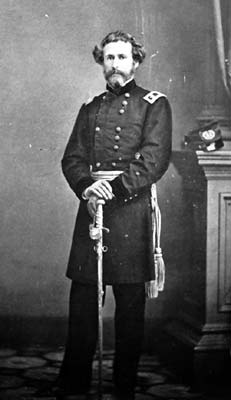
Southern Gentleman (http://13thmass.org/1862/front_royal.html)


d. Identify characters in the novel that fit the mould of true southern belles and gentlemen and those who don’t? Explain why they fit the mould and why they don’t?

They are: Calpurnia, Mrs. Maudie, Aunt Alexandra, Atticus Finch, Mr. Underwood, The Cunninghams (In a way), Little Chuck Little etc.
All the characters mentioned above carry a kind of upbringing in their actions. They are truthful and follow the general rules of a Southern Belle and Gentleman.
This is unlike the Ewells, where they spray vulgarities like no one’s business; don’t address people by ‘sir’ or ‘madam’, and dress rather inappropriately. 


Harper Lee

a. About the author and biodata

Nelle Harper Lee was born in Monroeville, Alabama on the 28 of April, 1926. She currently is 84+ years of age. She was the youngest of the four children of Amasa Coleman Lee and Frances Cunningham Finch Lee. Her mother’s surname is Finch. Her father, a former newspaper editor and proprietor, was a lawyer who served in the Alabama State Legislature from 1926 to 1938. As a child, Lee was a tomboy and a precocious reader, and was best friends with her schoolmate and neighbour, the young Truman Capote.
In 1944, Lee graduated from Monroe County High School in Monroeville, and enrolled at the all-female Huntingdon College in Montgomery for one year, and pursued a law degree at the University of Alabama from 1945 to 1949, pledging the Chi Omega sorority. Lee wrote for several student publications and spent a year as editor of the campus humor magazine, Rammer Jammer. Though she did not complete the law degree, she studied for a summer in Oxford, England, before moving to New York City in 1950, where she worked as a reservation clerk with Eastern Air Lines and BOAC.
Lee continued as a reservation clerk until 1958, when she devoted herself to writing. She lived a frugal life, traveling between her cold-water-only apartment in New York City and her family home in south-central Alabama to care for her father.
After the publication of “To Kill a Mockingbird”, she declined many interviews and public appearances. She did want to write another 2 books: Another novel “The Long Goodbye” and a factual book about an Alabama serial killer, but both of them were eventually shelved unfinished because she was not satisfied with their predicted end-products.
Source: Wikipedia

b. Novels written by her

“To Kill a Mockingbird” is her only book that she published.

c.  Awards received

On November 5, 2007, Lee was presented with the Presidential Medal of Freedom by President George W. Bush at a White House Ceremony. The Presidential Medal of Freedom is the highest civilian award in the United States and recognizes individuals who have made "an especially meritorious contribution to the security or national interests of the United States, world peace, cultural or other significant public or private endeavours."


Source: Wikipedia

d. Why is “To Kill a Mockingbird a significant novel to her?

The book is mainly autobiographical. Like Harper Lee, Scout in the book was a Tomboy. She was a daughter of a respected small-town Alabama attorney, Atticus Finch. Atticus Finch was based on Harper Lee’s father, who was a former newspaper editor and proprietor, before becoming a lawyer who served in the Alabama State Legislature from 1926 to 1938. Scout's friend Dill was inspired by Lee's childhood friend and neighbour, Truman Capote, whom Harper Lee met when she moved to New York City. Truman was later to become famous as an American author and comedian.


Source: Wikipedia